


President Museveni has witnessed the signing of a licensing agreement between the Uganda Communications Commission and Starlink, formally paving the way for the satellite internet provider to begin operations in Uganda.
The signing ceremony took place on Friday at State House Entebbe and was attended by senior government officials, regulators, and representatives from Starlink and its parent company SpaceX.
The agreement was signed by UCC Executive Director George William Nyombi Thembo and Starlink representatives led by Ryan Goodnight as part of the regulatory framework governing the company’s entry into Uganda’s telecommunications sector.
President Museveni described the development as an important milestone for Uganda’s digital and communications infrastructure.
“Our interest remains security, revenue assurance, and ensuring proper accountability within the telecommunications sector so that we clearly know what is happening with telecom companies and who the customers are,” Museveni said.
Following the signing, UCC issued operational certification to Starlink outlining compliance requirements, including the establishment of a national gateway, a physical point of presence in Uganda, and an operational office staffed with technical, legal, and support personnel.
Starlink is a satellite-based broadband internet service operated through a constellation of low-Earth orbit satellites designed to provide high-speed internet access, particularly in remote and underserved areas where traditional fibre or mobile internet infrastructure remains limited.
The company has rapidly expanded across Africa in recent years, marketing itself as a solution to poor internet coverage, high broadband costs, and unreliable connectivity in rural regions.
However, Starlink’s expansion has also generated regulatory and political controversy in several countries due to concerns over data sovereignty, state oversight, taxation, and governments’ ability to monitor communications passing through satellite systems outside conventional telecom infrastructure.
In Uganda, debate around Starlink intensified in the run-up to the 2026 general elections after reports emerged that some Ugandans had imported Starlink equipment from Kenya for use despite the company lacking an operating licence.
It is understood with Starlink equipment one would easily bypass internet blockade which was expected during the election.
At the time, authorities warned that the devices were illegal and raised concerns that activists and politically connected groups could potentially use satellite internet to bypass internet shutdowns or social media restrictions during politically sensitive periods.
Uganda has previously imposed internet and social media restrictions during elections and protests, including the nationwide internet shutdown ahead of the January 2021 elections.
Government officials have consistently maintained that any telecommunications operator must comply with national security and regulatory requirements before being allowed to operate in the country.
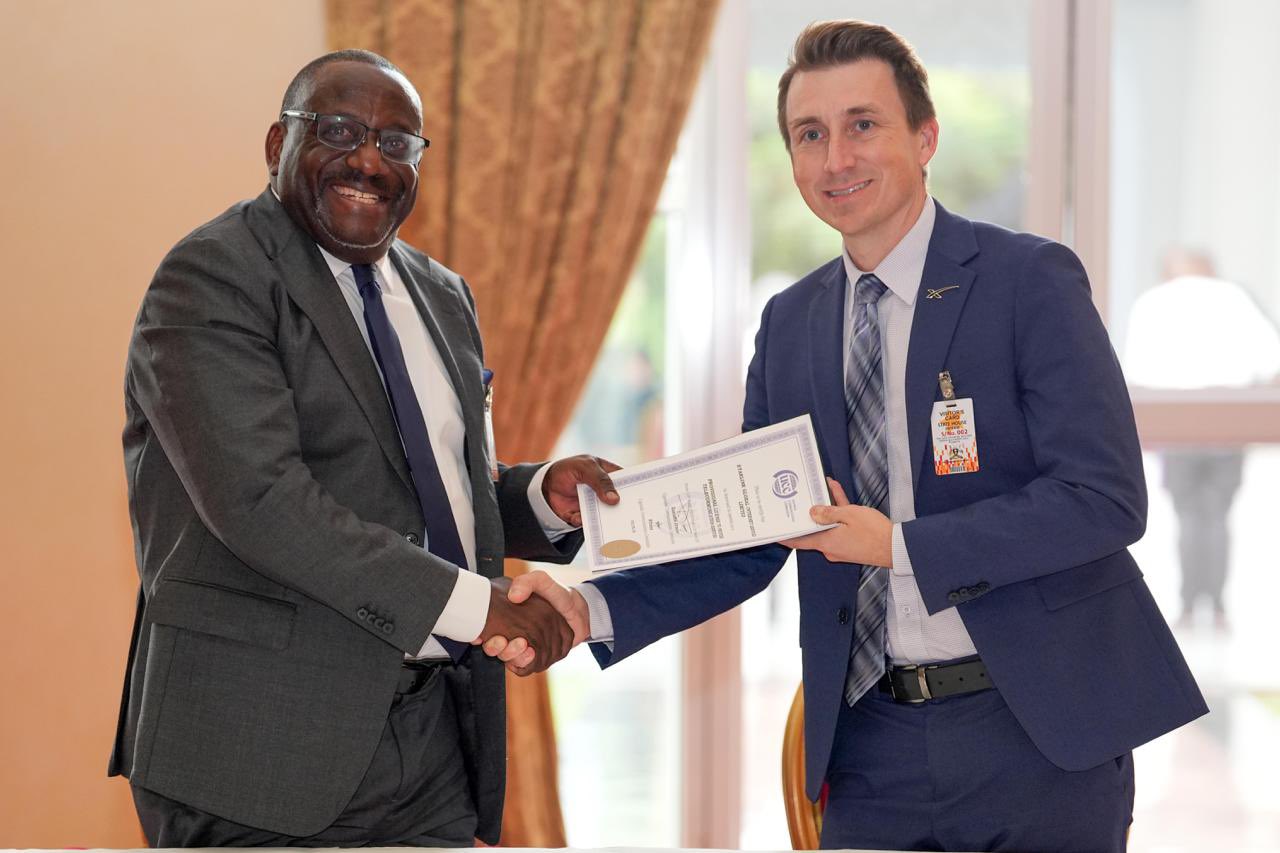
Speaking during Friday’s ceremony, Ryan Goodnight welcomed the agreement and said Starlink hoped to expand affordable internet access and support Uganda’s digital economy.
“It is a great honour to be here in this beautiful country. We are incredibly excited that we are forging this cooperation and bringing this network here,” Goodnight said.
“We believe this partnership will lower internet costs and enable more people to join the digital economy. We are ready to comply with Uganda’s laws and work closely with the government and UCC to ensure successful implementation,” he added.
Goodnight also revealed that Starlink plans to support education and healthcare institutions through donations of internet connectivity devices.
The Permanent Secretary at the Ministry of ICT and National Guidance, Dr Aminah Zawedde, said the agreement followed extensive negotiations aimed at ensuring Starlink’s compliance with Uganda’s regulatory framework.
“We are witnessing the signing of the provisional licence for Starlink after agreeing on the terms and features of the licence,” she said.
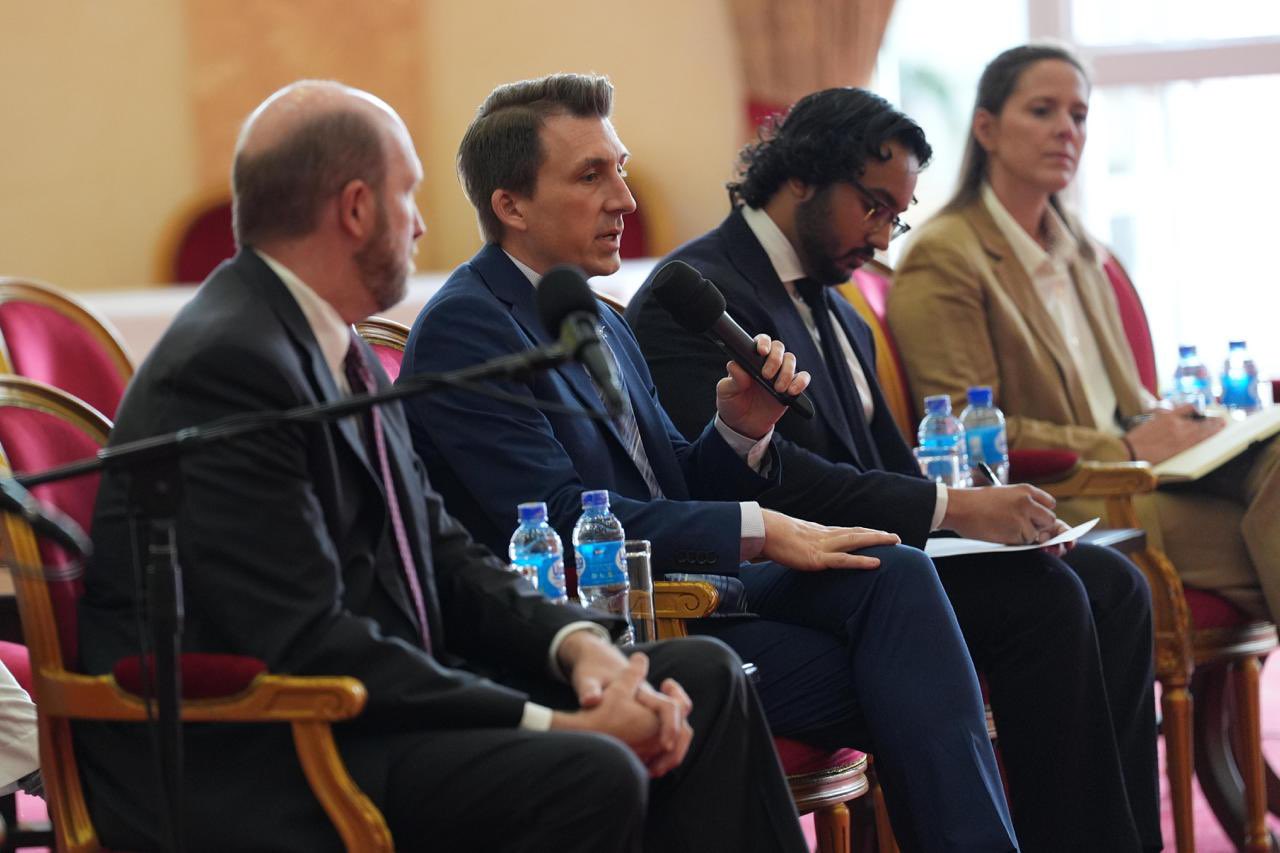
According to Dr Zawedde, Starlink will be required to ensure all activated devices are registered within Uganda while maintaining a physical operational presence in the country.
The event was also attended by Uganda’s Ambassador to the United States, Robie Kakonge, and other senior government officials.
